
CRIS 30th Anniversary Story | Leo
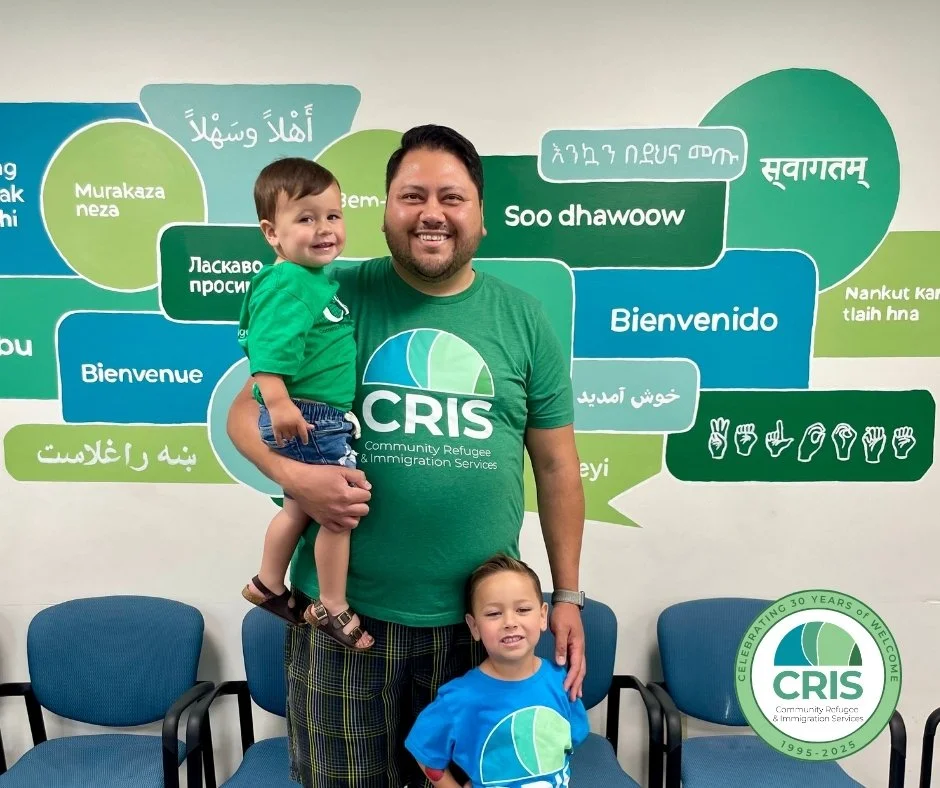
“I wish my mom and I had an organization like CRIS.”
Leo was almost five years old when he boarded a plane from Brazil to the United States with his mother. It was a journey that marked the end of all that was familiar—and the beginning of a new life filled with uncertainty.
His earliest memories begin on that plane ride. One of his clearest recollections from those first days in Ohio is about pizza. His stepdad, the son of Brazilian immigrants, had arranged a small welcome party with neighbors and told Leo to get excited—it would be a pizza party. But Leo’s only experience with pizza was in Brazil, where it’s eaten in restaurants with a knife and fork. “Some guy showed up with a bunch of cardboard boxes,” Leo recalls with a laugh. “When it was time to eat, they just opened the boxes and started grabbing slices with their hands. My mom and I looked at each other like, What is going on right now?”
Leo and his mom had moved to Sandusky to join his future stepfather. Those early years were filled with transition and challenge. While Leo quickly picked up English and adapted to life in school, his mother worked multiple jobs—delivering newspapers and phone books, even during harsh winters that felt worlds away from the equatorial heat of Brazil. As she studied English through community classes and Hooked on Phonics, she tried to make sense of a complicated new system while raising a child and navigating immigration paperwork largely on her own.
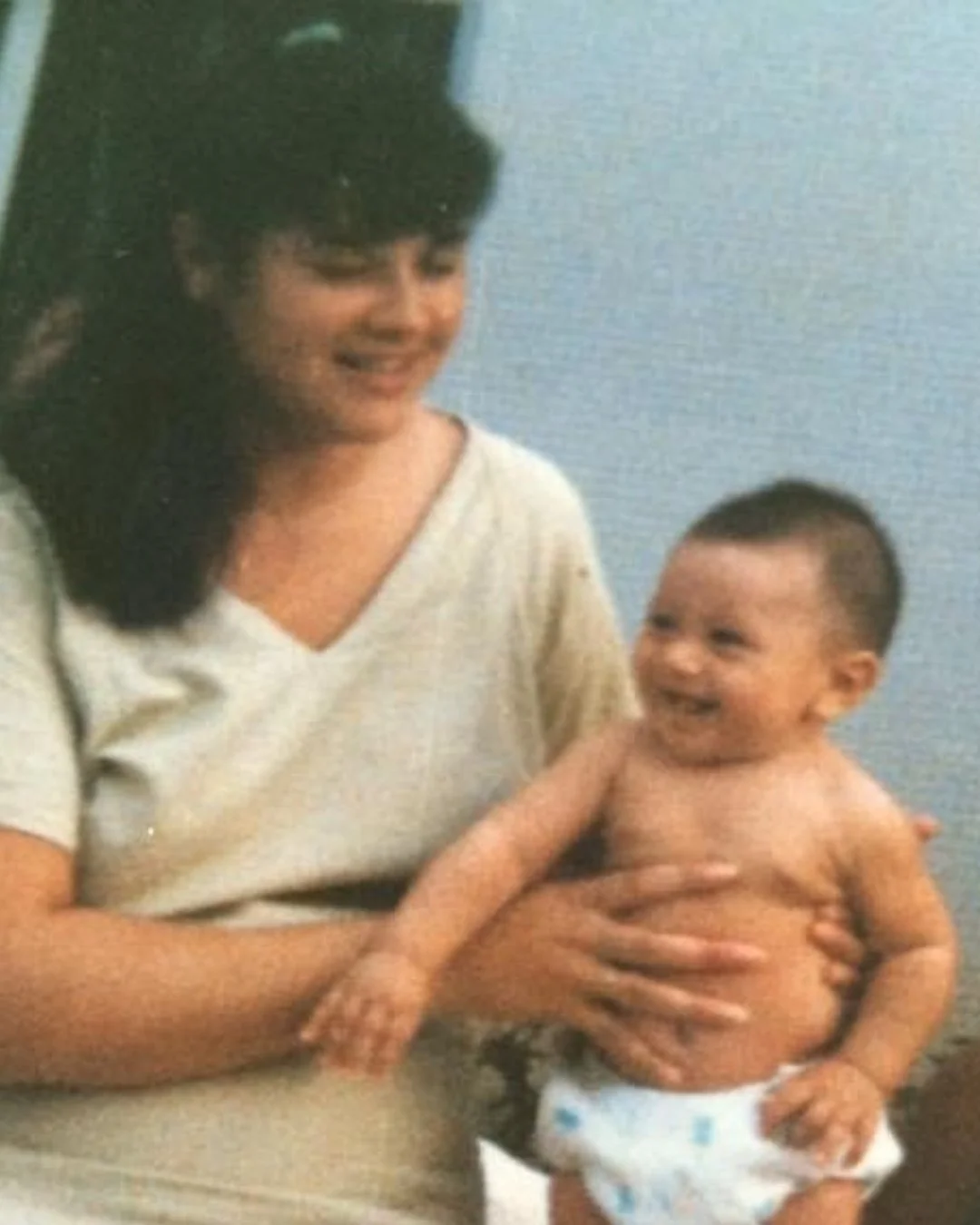
Baby Leo with his mom, in Brazil
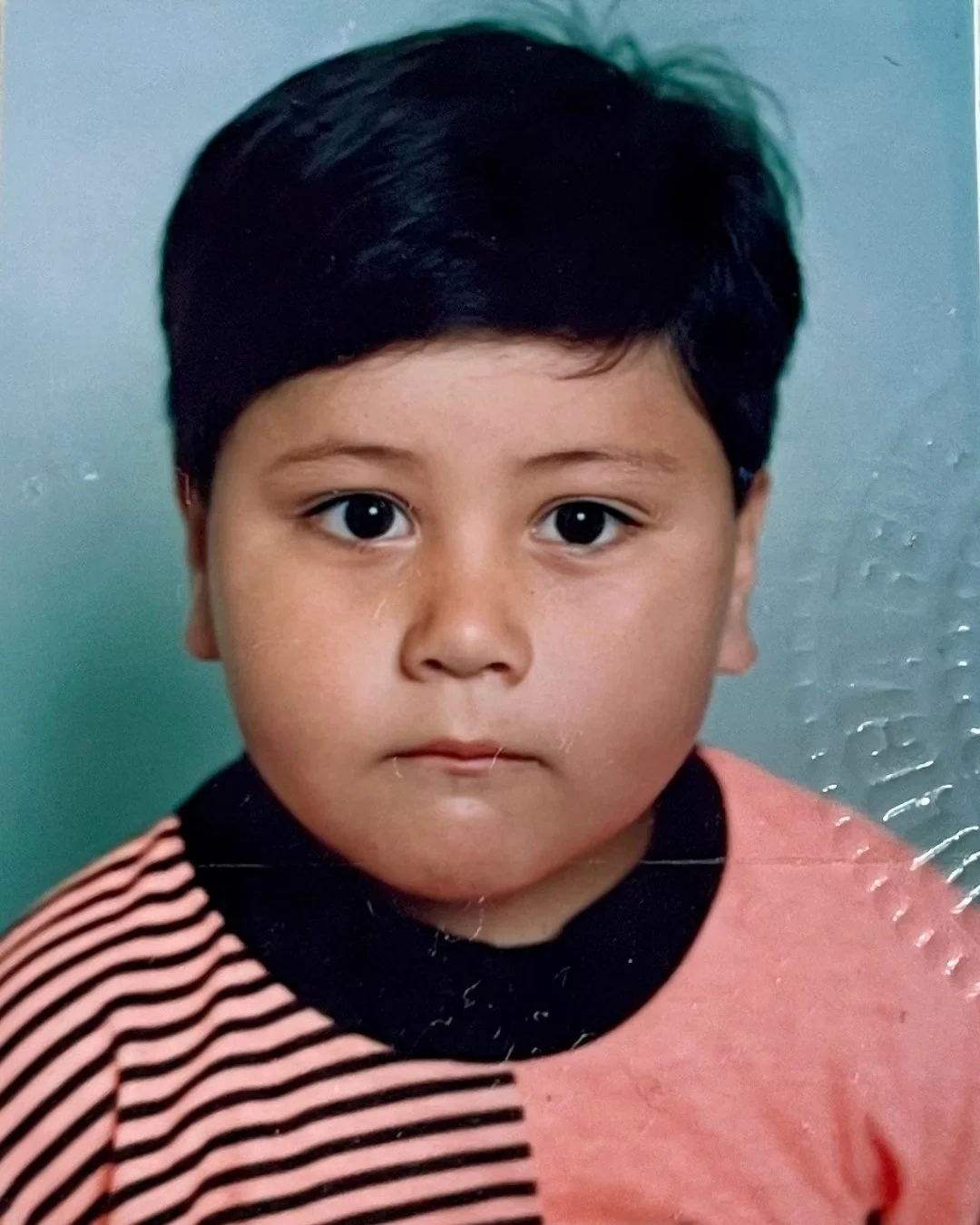
Leo’s childhood passport photo
Leo remembers feeling pressure to “be American” and to succeed in school. He noticed that, in some ways, his life looked different than that of his classmates. He and his mom had to do anxiety-inducing things other families didn’t—visa renewals, appointments with caseworkers, stacks of paperwork. And sometimes, the system failed them. On one occasion, they drove two hours to an immigration office for a scheduled meeting—only to be told they didn’t have an appointment and would have to start over with a new caseworker. The confusion and bureaucracy caused years of delay. Though they had arrived legally, it took more than a decade before they received their green cards.
Those experiences shaped Leo’s understanding of government and justice. In high school, he developed an interest in international issues and law, eventually attending Bowling Green State University to study political science. A mentorship with a state senator led him to Columbus in 2010, where he worked at the Ohio Statehouse for several years, later managing a lieutenant governor candidate and eventually joining The Nature Conservancy as a senior policy associate. He is now the Ohio Government Relations Director for the American Cancer Society Cancer Action Network.
It was in Columbus where Leo first heard about CRIS. In 2014, during a casual conversation with then-board president Amy Goyal, he mentioned his background—and she immediately suggested he look into the organization. He began volunteering by teaching weekend citizenship classes, and before long, he joined the CRIS Board of Trustees.
In 2016, Leo became Board President—a role he has held for nearly a decade. His leadership has helped guide CRIS through unprecedented growth, change, and challenge.
“I love CRIS, and I’m really proud of the work we do,” Leo says. “We don’t just help people get moved in and leave them to fend for themselves. We help them get established and become part of the community. We’ve added so many wraparound, community-centered services. As we look to the future, I hope CRIS can grow into even more of a one-stop shop for newcomers—and do that work without being challenged by the government.”
Looking back on his own story, Leo adds, “I wish my mom and I had an organization like CRIS. We would’ve benefited so much from a group that could’ve walked alongside us.”